PRINCE2 and Waterfall: A Perfect Match?

PRINCE2 and Waterfall: A Perfect Match?

Understanding PRINCE2 and Waterfall in Depth

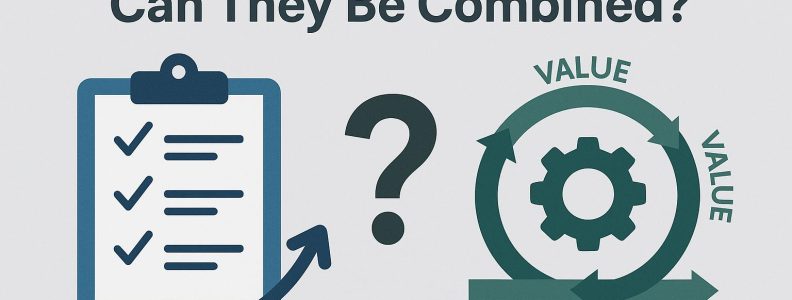
In the realm of project management, both PRINCE2 (PRojects IN Controlled Environments) and the Waterfall Model have stood the test of time due to their structured approaches and proven effectiveness. While each methodology has its distinct methodology and focus, professionals often find themselves inquiring about how well they might work in tandem to enhance project outcomes. This exploration delves into the core components of each methodology, their respective strengths, and potential synergies in their use.

Diving Deeper into PRINCE2

PRINCE2 is a structured approach to project management that excels in its versatility and adaptability, making it applicable across diverse projects and industries. It is centered on seven fundamental principles, seven themes, and a structured lifecycle of processes. Each aspect of PRINCE2 is designed to instill a comprehensive structure and clarity to project management efforts.

Principles: These are the guiding pillars of PRINCE2 that underpin the methodology. They ensure that projects remain viable, desirable, and achievable. The focus on continuous business justification, defined roles, learning from previous experiences, and manageable project stages ensures that there is a consistent framework guiding decision-making processes.

Themes: Themes represent critical areas of project management that require ongoing attention. They encompass various aspects such as business cases, organization, quality, plans, risk, change, and progress. Each theme supports the governance of the project and ensures that each essential aspect is continuously monitored and managed throughout the project lifecycle.

Processes: PRINCE2 is very much process-driven. It maps out a project’s journey from start to finish, capturing critical activities and responsibilities from the moment a project is sanctioned until its successful conclusion. This process not only ensures clarity and organization but also enhances efficiency by facilitating clear communication and coherent project delivery.

Exploring the Waterfall Model’s Characteristics

The Waterfall Model is one of the traditional software development methodologies and is characterized by its linear and sequential approach. It is particularly suitable for projects where the requirements are clearly understood and are unlikely to undergo significant changes during the development process.

Phases: The methodology divides the project into distinct and non-overlapping phases, such as requirements analysis, system design, implementation (coding), integration and testing, deployment, and maintenance. Each phase is a prerequisite to the next and has its deliverables which must be completed before progressing.

Sequential Progression: This linear progression is a hallmark of the Waterfall Model. It enforces a structured approach where the completion of each phase is a gate to entering the next phase. This progression is ideal for projects with well-established goals and clear end-point objectives.

Documentation: At each stage of the process, thorough documentation is mandatory. This serves several purposes: it ensures that stakeholders are aligned, provides a clear guide for future referencing, and facilitates understanding if new members join the team.

Comparing and Contrasting PRINCE2 and Waterfall

Both methodologies bring unique strengths to the table. PRINCE2, with its robust yet flexible framework, allows for adjustments and refinements at each stage of the project lifecycle, responding dynamically to the evolving project environment. Conversely, the Waterfall Model offers a highly predictable and transparent approach, tailored for projects where requirements are stable and clearly defined from the outset.

While PRINCE2 thrives in environments demanding flexibility and governance, the Waterfall Model is optimal in scenarios where a linear path could be laid out confidently from beginning to end without extensive interruptions or requirement changes.

Exploring the Synergy: Can They Work Together?

There is indeed a possibility for merging PRINCE2 with the Waterfall Model, combining their respective strengths under conducive conditions. This blend can facilitate smooth progression for projects that require both rigorous management and a strict adherence to a defined sequence. Such a collaboration is ideal under circumstances where:

Requirements are well understood: As with the Waterfall Model, when project requirements are stable and clearly defined, the synergy with PRINCE2’s controlled environments can further enhance project delivery efficiency and quality.

Defined Timeframes: The Waterfall Model’s clearly delineated phases align efficiently with PRINCE2’s structured stage reviews, enhancing scrutiny and alignment with project timeframes and deadlines.

Potential Challenges and Solutions

Despite the plausible synergy, integrating these methodologies poses certain challenges. Primarily, the inherent rigidity in the Waterfall approach may clash with PRINCE2’s emphasis on flexibility. To manage this, project managers must emphasize open communication and precisely delineate processes to ensure consistency in how both frameworks are implemented.

Maintaining PRINCE2’s high emphasis on learning from and adapting to changing inputs within the constraints of a Waterfall approach requires innovative problem-solving and ongoing team dialogue to align both methods effectively.

Conclusion

In the arena of project management, PRINCE2 and the Waterfall Model present complementary strengths that, when appropriately harnessed, can result in potent collaboration. Waterfall provides a secure and predictable roadmap for projects with stable requirements, while PRINCE2 assures robust management oversight and adaptability. Recognizing when and how to employ each methodology — either independently or in combination — is crucial for project management professionals seeking to maximize project success. For those interested in delving further into optimizing these methodologies, professional courses and certifications offer in-depth guidance and strategic insights for effective implementation.

How PRINCE2 Ensures Stakeholder Engagement

How PRINCE2 Ensures Stakeholder Engagement

Understanding PRINCE2 and Stakeholder Engagement

PRINCE2, an acronym for Projects IN Controlled Environments, is a widely recognized project management methodology that focuses on organization and control throughout a project’s lifecycle. A notable aspect of PRINCE2 is its emphasis on stakeholder engagement, which is critical for the success of any project.

The Importance of Stakeholder Engagement

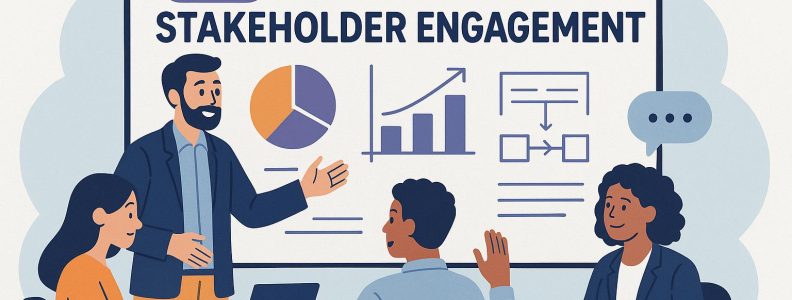
Stakeholder engagement is crucial because stakeholders, who may include project sponsors, end-users, or other key players, have interests or roles that can significantly impact the project. Engaging them effectively ensures that their perspectives and needs are considered, facilitating smoother project execution, reducing the risk of conflicts, and ensuring successful project outcomes. Understanding stakeholder needs and expectations helps in navigating potential pitfalls and contributes to a project’s overall success.

In a project management environment, stakeholders are not merely observers but active participants. Their engagement can drive project momentum and provide critical insights that can influence the project trajectory favorably. By ensuring that stakeholders are aware of their impact, you can foster a cooperative environment where everyone is aligned towards shared goals. When stakeholders feel involved, they are more likely to support the project’s aims actively, providing the project with the necessary resources and advocacy needed throughout its lifecycle.

PRINCE2 Approach to Stakeholder Engagement

PRINCE2 ensures stakeholder engagement through its structured approach to project management. This methodology incorporates several key practices that collectively foster an environment conducive to stakeholder participation and satisfaction.

Defined Roles and Responsibilities

PRINCE2 clearly defines the roles and responsibilities within a project. By doing so, it ensures that stakeholders know their duties, what is expected of them, and how they contribute to the project’s objectives. This clarity helps maintain a high level of engagement as stakeholders can see their direct impact on the project. When stakeholders understand their roles, they can better focus on their contributions without ambiguity, leading to more effective collaboration and resource utilization.

In a PRINCE2 framework, roles are tailored to fit the skillsets and experience of each team member, ensuring a complementary approach to task allocation. This organization not only maximizes efficiency but also ensures that any gaps in responsibility are identified and filled promptly. Thus, the project can progress without unnecessary delays or overlaps in roles and duties.

The Communication Management Approach

A key document in PRINCE2 is the Communication Management Approach. This document outlines how communication will be managed with stakeholders throughout the project. It specifies what information will be shared, with whom, and in what format. This structured communication strategy helps keep stakeholders informed and engaged, preventing misunderstandings that could derail the project.

For communication to be effective, it must be timely, relevant, and accessible. PRINCE2 advocates for a communication strategy tailored to stakeholder preferences and project needs, ensuring vital project updates reach stakeholders in an appropriate manner. Regularly scheduled communication touchpoints ensure continuous dialogue, allowing any necessary adjustments to be made quickly in response to stakeholder feedback or changing project demands.

Regular Reviews and Feedback

PRINCE2 projects are divided into manageable stages, and at the end of each stage, the project is reviewed. These regular reviews provide opportunities to gather feedback from stakeholders, ensuring that their concerns and expectations are addressed promptly. This iterative process helps maintain and often increases stakeholder engagement over time.

Regular reviews are instrumental because they provide structured pauses in the project timeline where progress is assessed, and strategies refined. Stakeholders play a critical role in these reviews, offering insights that might be overlooked by the project team alone. This two-way feedback mechanism enhances project outcomes, ensuring they remain aligned with both strategic objectives and stakeholder expectations.

Effective Risk Management

Another vital aspect of PRINCE2 is its focus on risk management, which includes engaging stakeholders in the risk identification and management process. By involving stakeholders, the project team can better identify potential risks early, assess their impact, and develop strategies to mitigate them. This proactive involvement not only aids in better decision-making but also keeps stakeholders invested in the project’s success.

The inclusion of stakeholders in risk management drives a more comprehensive understanding of potential project challenges. By pooling diverse perspectives, the project team can uncover nuanced risk elements that might otherwise be missed. This collaborative risk management approach not only safeguards project viability but also enhances stakeholder trust and confidence in the project’s management.

Ensuring Commitment through Continuous Collaboration

Collaboration is a core principle of PRINCE2, recognizing that continuous engagement and collaboration with stakeholders create a sense of shared purpose. Regular collaboration sessions, workshops, and status meetings ensure stakeholders are continuously aligned with the project goals and objectives.

A collaborative project environment encourages openness and inclusivity, which are essential for stakeholder engagement. Whether through formal meetings or informal check-ins, maintaining a collaborative spirit ensures stakeholder voices are heard, paving the way for innovative solutions and collective problem-solving. Such collaboration not only builds stakeholder commitment but also fortifies the project against unexpected challenges.

Conclusion

Ensuring stakeholder engagement is fundamental to achieving project success, and PRINCE2 effectively incorporates methodologies for integrating this engagement throughout the project’s life. By clearly defining roles, maintaining robust communication channels, and actively involving stakeholders in reviews and risk management, PRINCE2 creates an environment where stakeholder engagement is not just encouraged but is an inherent part of the project framework. The methodology’s focus on structure and organization ensures that stakeholder needs are met without jeopardizing the project’s timeline or objectives. For more information on PRINCE2 methodology, you can visit AXELOS.

In sum, PRINCE2 offers a comprehensive approach to project management where stakeholder engagement is more than a mere step; it is an integral element that supports and enhances project success. Stakeholders, when effectively engaged, can transform project challenges into opportunities, guiding the project toward successful outcomes that align with broader organizational goals.

The PRINCE2 Contingency Planning Approach

The PRINCE2 Contingency Planning Approach

Understanding PRINCE2’s Contingency Planning Approach

PRINCE2, or Projects IN Controlled Environments, is a structured project management method widely recognized for its effective approach to managing projects. A crucial aspect of this methodology is its emphasis on contingency planning, which involves preparing for potential challenges that may arise during a project. By integrating contingency plans, project teams can minimize disruptions and ensure a smoother project execution.

The Importance of Contingency Planning in PRINCE2

In the PRINCE2 methodology, contingency planning serves as a proactive measure that helps identify and address risks before they can negatively affect a project. This approach allows project managers to allocate resources efficiently and make informed decisions when unforeseen events occur. The contingency plans act as a safety net, enabling teams to maintain progress even when encountering unexpected issues.

Core Principles of PRINCE2 Contingency Planning

Risk Management

At the heart of PRINCE2’s contingency planning is effective risk management. During the initiation phase, project teams conduct a comprehensive risk assessment to identify potential threats to the project’s success. By understanding these risks, teams can develop strategies to mitigate their impact, ensuring that the project remains on track. This risk management strategy includes determining the probability of each risk and its potential impact, thus prioritizing risks that require immediate attention.

Resource Allocation

Contingency planning in PRINCE2 involves strategic resource allocation to prepare for potential challenges. Project managers identify critical areas that may require additional resources and allocate them accordingly. This foresight enables projects to adapt quickly to changing circumstances, reducing downtime and maintaining productivity. Effective resource allocation involves not just allocating additional financial reserves or manpower but also ensuring that technological and logistical resources are in place to swiftly respond to emerging issues.

Flexible Project Management

PRINCE2 encourages a flexible approach to project management, which is vital for effective contingency planning. By incorporating adaptable processes and decision-making frameworks, teams can respond efficiently to unexpected developments. This flexibility is vital for maintaining momentum and achieving project objectives even in the face of adversity. Adaptability ensures that when a change in the project environment occurs, such as technological advancements or regulatory updates, the project adjusts its course without significant disruption.

Implementing Contingency Plans in PRINCE2

The implementation of contingency plans within PRINCE2 is a multifaceted process that ensures the project can withstand and adapt to unexpected changes effectively. Implementing contingency plans in PRINCE2 involves several methodical steps:

Plan Review and Adjustment

During the project life cycle, regular reviews ensure that contingency plans remain relevant and up-to-date. Project teams continuously monitor progress and adjust plans as needed, maintaining alignment with project objectives and addressing any shifts in risk profiles. Continuous review and refinement of plans allow project managers to incorporate lessons learned, thus fine-tuning strategies for risk mitigation continuously.

Communication and Coordination

A successful contingency plan relies on effective communication and coordination among team members. PRINCE2 promotes transparency and information sharing, allowing stakeholders to stay informed about potential issues and the strategies in place to address them. This collaborative environment ensures that contingency measures are implemented seamlessly when needed. Open lines of communication not only ensure the swift dissemination of information but also facilitate problem-solving and decision-making processes.

The Benefits of PRINCE2 Contingency Planning

Enhanced Project Resilience

By embedding contingency planning into the PRINCE2 framework, project managers can navigate uncertainties confidently and deliver successful outcomes. This approach not only enhances project resilience but also fosters a proactive culture, equipping teams to tackle future challenges with greater preparedness. As a project environment becomes increasingly complex, the capability to absorb and adapt to shocks becomes essential, with PRINCE2’s structured approach providing a robust foundation.

Proactive Culture in Project Management

Ingraining a proactive culture within the project team is one of the key advantages of PRINCE2 contingency planning. Team members, aware of potential risks from the onset, engage more actively in the risk management process and show greater empowerment in executing contingency tasks. With the employment of scenario planning and other foresight tools, teams develop greater anticipation skills, evolving from reactionary responses to informed proactive strategies. This transformation in the approach helps in building confidence and accountability across all project stages.

Steps to Develop Effective Contingency Plans in PRINCE2

Identifying Potential Risks

The first step in developing a robust contingency plan within PRINCE2 involves identifying potential risks that a project may encounter. This process includes environmental scanning, historical data analysis, and consultations with key stakeholders. Understanding these risks allows for a comprehensive assessment where project teams can gauge the likelihood of these risks occurring and their possible consequences on the project’s objectives.

Creating a Contingency Budget

A practical approach to contingency planning involves setting aside a specific budget solely for addressing unforeseen events. This means that financial resources are promptly accessible when needed, without the requirement of disruptive reallocation from other project areas. A contingency budget helps in mitigating financial risks effectively and keeps the project on course without significant delays or quality compromises.

Training and Preparedness

PRINCE2 stresses the importance of team preparedness and skill enhancement through training programs. Project teams are trained not only on their regular tasks but also on how to respond to risks or apply contingency measures effectively. This preparedness ensures that when a contingency plan is activated, team members are well-versed in their roles, reducing panic and confusion significantly.

Conclusion

Incorporating a systematic approach to contingency planning within the PRINCE2 framework enhances a project’s potential for success amidst uncertainties and volatile environments. This structured methodology ensures that risks are anticipated and dealt with in a calculated manner, significantly reducing adverse impacts. The strategic allocation of resources, coupled with a flexible management approach, empowers teams to uphold continuity and meet project objectives despite challenges. By fostering an organizational culture that values foresight, preparedness, and strategic response, PRINCE2 equips projects with the necessary tools to thrive in dynamic and often unpredictable project landscapes. Effective contingency planning not only safeguards project investments but also builds adaptive capacity, enabling a sustained drive toward successful outcomes under all circumstances.

PRINCE2 and Lean: Can They Be Combined?

PRINCE2 and Lean: Can They Be Combined?

Introduction to PRINCE2 and Lean

PRINCE2 (Projects IN Controlled Environments 2) is a structured project management method, widely recognized and used by organizations around the globe. It provides a detailed approach to managing projects, emphasizing clear roles, responsibilities, and defined stages through a project’s lifecycle. The method is well-established and has gained global acceptance due to its versatility and comprehensive project control features.

Lean, on the other hand, is a methodology focused on minimizing waste while maximizing value. Originally derived from manufacturing, Lean principles have been adapted for use across various industries, promoting efficiency and fostering a culture of continuous improvement. Lean emphasizes identifying waste within processes and systematically reducing or eliminating these inefficiencies to enhance value delivery.

Exploring the Compatibility of PRINCE2 and Lean

Both PRINCE2 and Lean aim to deliver successful project outcomes, but they approach this goal from different angles, offering unique strengths that can complement each other remarkably well. Understanding these methodologies’ core elements and where they intersect is crucial for project managers and organizations striving for excellence in project execution.

Key Differences

It’s essential to recognize the primary differences between these methodologies to effectively explore their compatibility and integration potential:

Project Scope and Focus:
PRINCE2 places a strong emphasis on overall project management. It provides detailed governance, control mechanisms, and well-defined roles, ensuring clarity and structure throughout a project’s lifecycle. It thrives on establishing a controlled project environment, which helps in managing complex projects with numerous stakeholders.

Lean, conversely, zeroes in on optimizing processes and increasing workflow efficiency. The methodology is highly adaptable and widely used to streamline production and service delivery by focusing efforts on value-adding activities and ruthlessly eliminating waste.

Methodological Approach:
The two methods also diverge in their overall approach. PRINCE2 is anchored in being process-driven, furnishing organizations with a structured framework that encompasses defined stages and controls. It relies on precise documentation and stage-oriented execution, enabling managers to foresee potential challenges and address them systematically.

Lean is principle-driven, focusing intensively on continuous improvement and waste reduction. This methodology encourages a mindset shift by which everyone in the organization is committed to seeking out and minimizing inefficiencies, which can often require transformative changes in how processes are understood and executed.

Areas of Integration

Despite their differences, PRINCE2 and Lean can be strategically combined to enhance project outcomes. Integration leveraged effectively results in robust project management complemented by increased efficiency and adaptability:

Enhanced Decision-Making:
Adopting Lean principles can fundamentally alter decision-making processes. Project teams benefit by concentrating on eliminating non-value-adding activities, ensuring that efforts are streamlined and resources are deployed effectively. This complements PRINCE2’s governance structure, promoting better-informed and more timely decisions. As unnecessary steps and redundancies are minimized, decision-makers can respond with agility to dynamic project requirements.

Improved Process Efficiency:
Lean’s methodologies can significantly refine PRINCE2’s established stages by ensuring that each activity and task is executed with maximum efficiency. By focusing on value delivery at every step, Lean principles help eliminate any form of waste, consequently allowing PRINCE2 processes to be conducted seamlessly and resourcefully. As a result, project milestones are achieved more efficiently, paving the way for timely project completion.

Continuous Improvement:
Incorporating Lean’s emphasis on continuous improvement can enhance PRINCE2’s focus on lessons learned and post-project evaluations. This symbiotic relationship facilitates tweaking and improving processes based on past project experiences, inspiring iterative improvements for future projects. By cultivating an environment committed to learning and iteration, organizations cement their path towards sustained improvement and innovation.

Benefits of Combining PRINCE2 and Lean

When effectively intertwined, PRINCE2 and Lean create numerous advantages that significantly enhance project management practices:

Project Governance and Efficiency:
PRINCE2’s structured framework is invaluable for projects requiring stringent oversight and precise control, ensuring they remain on track and within scope. Merge this with Lean’s power to heighten process efficiency, and you have a combination that fosters both managerial control and operational excellence. Projects remain not only organized but streamlined in execution.

Informed Decision-Making:
An integrated approach enables organizations to ground their decision-making in data and evidence, supported by Lean metrics that refine and inform PRINCE2’s established frameworks. Such data-driven insights enable proactive and strategic decisions, minimizing reactionary responses and optimizing resource allocation.

Value-Driven Outcomes:
Ultimately, the synergetic melding of PRINCE2 and Lean focuses the project team’s efforts on delivering value. The methodologies combined ensure that processes remain controlled and manageable while being optimized for peak value delivery. As a result, organizations can achieve higher stakeholder satisfaction and better overall project success rates.

Conclusion

Combining PRINCE2 and Lean requires a thoughtful approach, ensuring that the best elements of each methodology are utilized effectively to magnify project outcomes. While PRINCE2 presents a fortified environment with explicit stages and responsibilities, Lean contributes principles of efficiency and proactive waste reduction. Through the integration of these methodologies, organizations can cultivate a holistic approach to project management, gaining from enhanced governance, heightened process optimization, and enriched efficiency at every stage of the project lifecycle. Seeking further insights into project management methodologies can provide even greater clarity and skill-enhancing strategies, empowering organizations to elevate their project management practices continually. For further in-depth exploration, readers may wish to explore specific resources dedicated to each methodology.

The PRINCE2 Change Control Approach

The PRINCE2 Change Control Approach

Understanding the PRINCE2 Change Control Approach

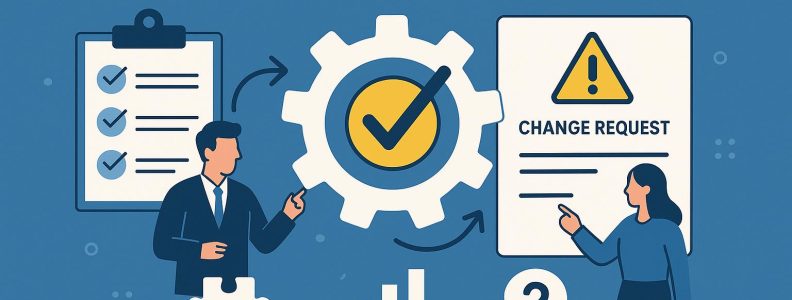
The PRINCE2 methodology, an acronym for Projects in Controlled Environments, is a globally acknowledged framework for project management. It provides a structured approach that emphasizes various aspects of project execution, with change control being a critical component. Ensuring that changes are managed systematically helps in minimizing risks and optimizing the benefits, thereby keeping the project on its intended path.

Why Change Control is Essential

Change is a common occurrence in projects, driven by internal insights or external factors. Any modification in a project has the potential to impact its scope, cost, timeline, and ultimately its success. The PRINCE2 framework introduces a structured approach to handle these changes, ensuring they contribute positively towards the project objectives instead of causing disruptions. This systematic method involves evaluating each change request meticulously to ensure it aligns with the project’s overall goals.

Key Components of PRINCE2 Change Control

Change Authority: One of the crucial elements of the PRINCE2 change control process is the establishment of a Change Authority. This could be an individual or a group assigned with the authority to approve changes within the project. Having a designated authority expedites decision-making processes while maintaining consistency in handling change requests.

Change Budget: PRINCE2 provides for a dedicated budget specifically for managing and implementing changes. By allocating funds for potential changes, projects can address necessary adjustments without compromising the entire project’s budget or resources, thus ensuring that the financial strain of changes is minimized.

Issue and Change Control Procedure: Another essential component is the comprehensive issue and change control procedure, which outlines the specific steps required to log, evaluate, and decide on changes. By following a clear procedure, the team ensures that changes are managed systematically and effectively, facilitating efficient resolution of issues.

Steps in the Change Control Process

PRINCE2 defines an explicit process for managing changes, which includes several critical steps to handle modifications efficiently:

Log the Request: When a change request is introduced, it first needs to be documented in the change log. This log must contain vital details about the nature of the change, its potential impact, and the identity of the individual or entity that requested it.

Impact Assessment: Following logging, the change request undergoes a detailed impact assessment. This evaluation is crucial as it examines the potential effects of the change on the project’s outcomes, timeline, resources, and overall viability.

Decision Making: Post-assessment, the next step is decision making. Here, the Change Authority reviews the analyses and decides whether to approve, reject, or defer the proposed change. The decision hinges on whether the change aligns with project objectives and how it affects the entire project framework.

Implementation: Once a change is approved, the implementation phase begins by updating the project plan accordingly. This stage is vital to ensure that changes are integrated smoothly without causing any unintended disruptions or delays in project execution.

Conclusion

Adopting a structured change control process, as advocated by PRINCE2, is integral for maintaining the stability and strategic direction of a project. By implementing this approach, project managers are better equipped to ensure that any changes introduced are both beneficial and well-managed. The alignment of changes with the project’s strategic goals helps in achieving project success without unnecessary setbacks. For those seeking a more in-depth understanding of PRINCE2, exploring official sources and comprehensive training materials can offer valuable insights and guidance on effective project management practices.

Implementing PRINCE2’s change control approach ensures that projects remain flexible enough to adapt to necessary changes while maintaining their focus and ensuring that strategic objectives remain at the forefront. This methodology, although primarily focused on change management, offers a structured framework that can be adapted to the broader aspects of project management, ensuring comprehensive handling of project-related challenges.