Understanding PRINCE2 and PMI
In the realm of project management, selecting the right methodology is critical for success. Two prominent methodologies, PRINCE2 (PRojects IN Controlled Environments) and PMI (Project Management Institute) standards, often emerge as top choices. This article delves into the fundamental aspects of both to help you discern which might be more appropriate for your needs.
Overview of PRINCE2
PRINCE2 is a process-based method for effective project management. Initially developed by the UK government, it is now internationally recognized and widely used in both the public and private sectors. PRINCE2 provides a detailed framework that emphasizes dividing projects into manageable and controllable stages.
The methodology is built on seven principles, themes, and processes, ensuring projects are organized and responding adequately to changes. PRINCE2 is designed to be versatile, catering to a range of projects by applying a standardized approach. This ensures all aspects of a project are considered, from its initiation through to its completion. The adaptable nature of PRINCE2 makes it suitable for various types of projects, including IT, construction, and public service projects.
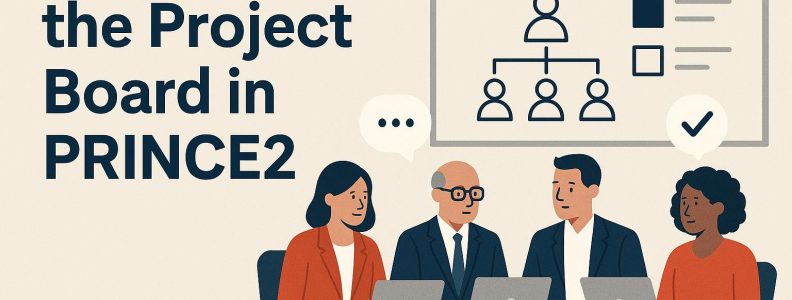
A key component of PRINCE2 is its focus on defined roles and responsibilities, which leads to clear accountability and resource management. It divides projects into stages with regular reviews, enabling teams to assess progress and performance continuously. This systematic review process ensures that projects remain aligned with their objectives and stakeholders’ expectations. For more detailed guidance, PRINCE2 practitioners often refer to resources like the official PRINCE2 website, which provides in-depth insights into applying the methodology effectively.
Overview of PMI
PMI is a globally recognized professional organization for project management. Its flagship publication, the PMBOK® Guide (Project Management Body of Knowledge), offers standardized guidelines and terminology for project management. While PMI itself is not a methodology, it provides a robust framework based on various standards and practices crucial for managing projects effectively.
The PMI certification, known as Project Management Professional (PMP), is highly esteemed and recognized globally. This certification emphasizes a range of competencies across different project management techniques, making it a versatile option. PMI advocates for a broad understanding of project management competencies, which are applicable across different industries.
By adhering to PMI standards, project managers are equipped to handle a wide array of project types, thanks to the emphasis on skills such as time management, risk management, and stakeholder engagement. The PMP certification process underscores the importance of practical experience, requiring candidates to have extensive experience in project leadership roles before they are eligible to take the examination. The PMI standards serve as a guiding beacon for seasoned professionals who aim to validate their skills and knowledge on a global platform.
Key Differences
While PRINCE2 and PMI share the core objective of efficient project management, their approaches differ significantly:
Structure: PRINCE2 focuses on a structured, process-driven model, making it suitable for projects requiring step-wise control and governance. Its emphasis on stages and checkpoints assures consistency and thorough oversight. As a result, it illustrates clearer pathways and responsibilities, which can particularly benefit large or complex projects with varied stakeholder interests.
PMI, on the other hand, is more flexible and broad, underpinned by its adaptive framework rooted in the PMBOK Guide. It does not mandate a specific framework but rather articulates a comprehensive understanding reaching across industries. This approach provides professionals the freedom to tailor processes as per their project needs, which is ideal for organizations seeking adaptability in rapidly changing environments.
Certification and Application: PRINCE2 provides certification levels that emphasize understanding the methodology’s principles and processes. These certifications are often process-focused, catering to individuals who prefer a structured learning path that clearly delineates roles and responsibilities within a project framework.
Conversely, PMI’s PMP certification requires project management experience and passing an extensive exam, reflecting a wide-reaching exploration of different project management techniques. The PMP certification represents a holistic understanding of project management, ensuring professionals can apply their knowledge flexibly across a variety of scenarios and sectors.
Choosing the Right Methodology
The choice between PRINCE2 and PMI often depends on your specific project needs, organizational goals, and personal career aspirations.
Project Nature: For projects operating within structured environments with a comprehensive need for control and documentation, PRINCE2 may be more suitable. For instance, industries such as government and construction, which require detailed planning and regulatory compliance, can greatly benefit from the PRINCE2 methodology’s structured approach.
Organizations with a dynamic project environment may find PMI’s framework beneficial due to its flexibility. This makes PMI more suitable for tech companies or start-ups that need innovative and responsive project methodologies to meet rapidly shifting market demands.
Career Goals: Aspirants aiming for roles within industries that value process-centric approaches may prefer PRINCE2. Sectors that rely heavily on systematic, documented processes often require the structured approach that PRINCE2 offers.
However, those seeking diverse applications across various sectors might consider PMP certification to be advantageous. Professionals who favor versatility and the ability to work in a variety of project environments may find the broad directives of PMI a better fit for their career trajectory.
Conclusion
Ultimately, both PRINCE2 and PMI possess unique strengths and can significantly enhance project management capabilities when applied appropriately. Understanding the demands of your projects and aligning them with the features offered by each methodology will guide you toward the right choice. Choosing the appropriate methodology is not just about aligning with current project demands but also considering long-term career development and organizational goals. For project managers, mastering both methodologies could potentially open up expansive opportunities across different industries, providing a competitive edge in a rapidly evolving marketplace.